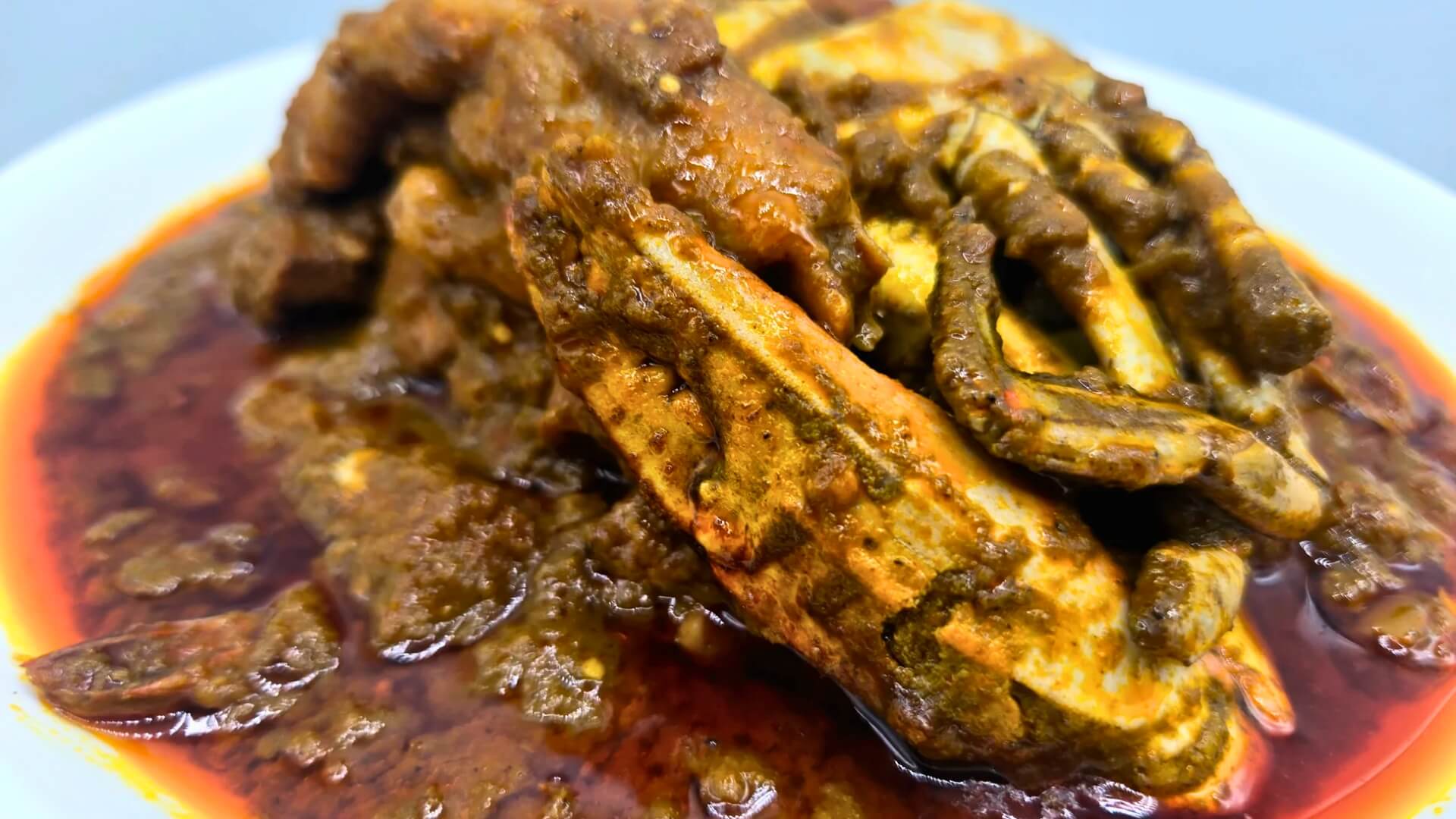
Introduction: A Flavorful Journey into Liberian Food
When you step into any Liberian kitchen, you’re greeted by the rich aroma of spices, simmering stews, and the unmistakable warmth of local hospitality. Liberian food is a tapestry of tradition, shaped by diverse ethnic groups and a blend of indigenous, African-American, and Caribbean influences. Whether you’re a visitor eager to explore new flavors or a local rediscovering old favorites, the dishes of Liberia tell the story of a resilient and vibrant culture—one delicious bite at a time.
This guide will take you inside Liberia’s kitchens, showcasing 10 traditional dishes every visitor must try. Along the way, you’ll find practical tips, local insights, and recommendations on where to enjoy these iconic meals. Ready to taste Liberia’s culinary heritage? Let’s dive in.
1. Jollof Rice: The Pride of Liberian Kitchens
What Makes Liberian Jollof Rice Unique?
Jollof rice is much more than a dish in Liberia—it’s a celebration. Made from rice cooked in tomato sauce, peppers, and spices, it’s typically served with chicken, beef, or fish. Unlike other West African versions, Liberian jollof rice often features a more robust blend of local seasonings and vegetables, reflecting the home cook’s creativity.
Key ingredients: Parboiled rice, tomato paste, onions, bell peppers, habanero, assorted meats, and fresh herbs.
Local Tip:
- Look for jollof rice at local chop bars, especially during festivals or family celebrations.
- Pair it with fried plantains or spicy pepper sauce for an authentic experience.
2. Palm Butter Soup
The Essence of Liberian Stews
Palm butter soup is a staple, made from the pulp of palm fruit and simmered with meat or fish until it thickens and becomes creamy. Its deep color and rich flavor make it a favorite for both everyday meals and special occasions.
Key ingredients: Fresh palm fruit, assorted meats (goat, chicken, fish), hot peppers, onions, and spices.
Practical Advice:
- Enjoy palm butter soup with rice, fufu, or dumboy for a filling meal.
- Be prepared for some heat—Liberian soups are known for their spicy kick!
3. Fufu and Soup
Comfort Food Across Liberia
Fufu, a dough-like staple made from pounded cassava or plantains, is beloved throughout Liberia. It’s typically served with rich soups, such as pepper soup or palava sauce, making for a satisfying, hearty meal.
Key ingredients: Cassava or plantain (for fufu); meat, leafy greens, palm oil, and spices (for the soup).
Insider’s Insight:
- Eat fufu by hand, pinching off a bit and dipping it into the soup.
- Ask locals for their favorite soup pairing—every region has its own twist.
4. Dumboy
The Iconic Cassava Dish
Dumboy is made by boiling cassava and pounding it until smooth and elastic. It’s most often served with palm butter soup or pepper soup. More than just a food, dumboy is a symbol of togetherness, often enjoyed communally.
Key ingredients: Cassava, soup of choice (usually palm butter or pepper soup).
Where to Try:
- Local restaurants and family gatherings, especially in Grand Bassa and Rivercess counties.
5. Pepper Soup
For the Adventurous Palate
This fiery soup is not for the faint-hearted! Made with a blend of hot peppers, assorted meats, and aromatic spices, pepper soup is a go-to comfort food, especially during Liberia’s rainy season.
Key ingredients: Assorted meats (chicken, beef, fish), hot peppers, onions, garlic, and local spices.
Actionable Tips:
- If you’re sensitive to spice, ask for a milder version or request pepper on the side.
- Pair with rice, fufu, or bread for balance.
6. Liberian Chicken Gravy
A Hearty Stew for Any Occasion
Liberian chicken gravy is a rich tomato-based stew loaded with chicken, fish, shrimp, bell peppers, and fresh herbs. It’s often served over rice and enjoyed at family meals or festive gatherings.
Key ingredients: Chicken, tomatoes, bell peppers, onions, shrimp, fried fish, and herbs.
Local Advice:
- Try adding extra vegetables like carrots or peas for more flavor and nutrition.
- Look for homemade versions at local eateries—they often have the best depth of flavor.
7. Cassava Leaf Stew
A Classic Green Stew
Made from finely chopped cassava leaves, this stew is slow-cooked with meat or fish, palm oil, and a blend of spices. It’s a beloved dish in Liberian homes, often served with rice.
Key ingredients: Cassava leaves, palm oil, assorted meats, onions, peppers, and seasoning cubes.
Practical Tip:
- If you’re new to cassava leaf, start with a small portion—its unique, earthy flavor is unforgettable.
8. Palava Sauce
Rich and Flavorful
Palava sauce is a thick, hearty stew made with jute leaves or spinach, palm oil, and meats or fish. It’s often served with rice, fufu, or dumboy.
Key ingredients: Jute leaves or spinach, palm oil, smoked fish or meat, hot peppers, and onions.
Local Insight:
- Palava sauce is especially popular among the Kru and Grebo people—ask for their family recipe if you get the chance.
9. Dry Rice and Gravy
A Simple, Everyday Favorite
Dry rice—a local term for plain boiled rice—is often paired with a variety of flavorful gravies, from beans to fish or meat. It’s a quick, satisfying meal found in homes and roadside eateries across Liberia.
Key ingredients: Rice, tomato-based or peanut gravy, protein (fish, chicken, or beans).
Actionable Advice:
- Explore different gravies to find your favorite combination.
- Add fried plantains or steamed vegetables for extra nutrition.
10. GB (Geebee)
A Nimba County Specialty
GB, also called Geebee, is a traditional dish from the Nimba region, made of cassava dough and typically eaten with pepper soup, palava sauce, or palm butter. It’s cherished among the Gio and Mano tribes.
Key ingredients: Cassava, soup of choice (usually spicy or palm-based).
Where to Experience:
- Look for GB at local food stalls and during cultural festivals in Nimba County.
Bonus: Liberian Snacks and Street Food
Quick Bites for the Road
- Kanyan – A sweet and crunchy peanut snack.
- Roasted Meat (Suya) – Spicy skewered meat, popular at night markets.
- Fried Plantain – Crispy, sweet, and perfect as a side or snack any time of day.
Practical Tips for Enjoying Liberian Food
1. Where to Eat
- Local cookshops and chop bars offer the most authentic flavors.
- Don’t miss out on food stalls at community markets, especially on weekends.
2. How to Order Like a Local
- Ask for the day’s special—many eateries rotate dishes based on what’s fresh.
- If you’re unsure about spice levels, request pepper separately.
3. Dietary Preferences
- Vegetarian options are available—try gravies made with beans or okra, and ask for meat-free versions of stews.
- For gluten-free diets, stick to rice, cassava, and plantain-based dishes.
Conclusion: Discover Liberia, One Dish at a Time
Exploring Liberian food is more than a culinary adventure—it’s an immersion into a rich culture shaped by history, community, and a love for sharing. Whether you’re savoring jollof rice at a family gathering, slurping palm butter soup at a local chop bar, or enjoying GB in Nimba County, each dish offers a taste of Liberia’s soul. Ready to expand your palate? Start with these ten traditional dishes and let Liberia’s kitchens welcome you home.